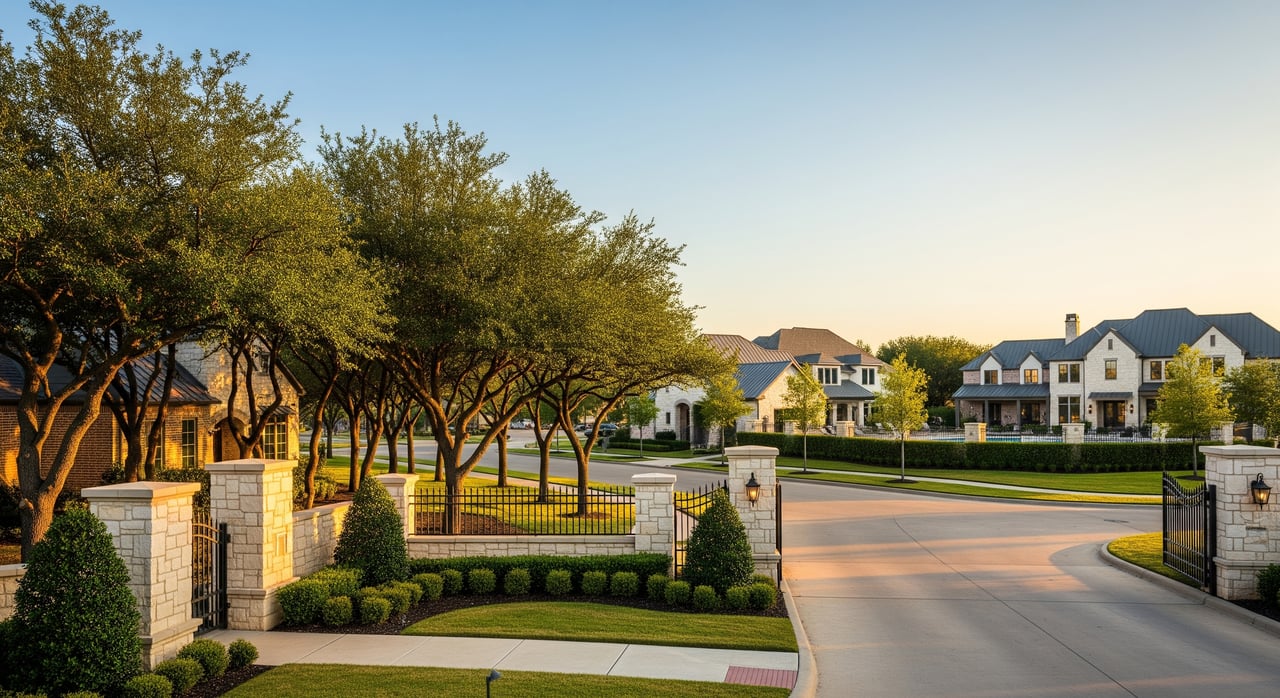
Thinking about buying or selling in a Southlake neighborhood with an HOA? You are not alone. HOAs shape how communities look, what amenities you enjoy, and what it takes to close smoothly. This guide breaks down local fee patterns, common rules, and how HOA health can impact your resale value and days on market. You will also get a practical checklist of what to request and ask before you commit. Let’s dive in.
How Southlake HOAs are structured
Southlake includes a mix of smaller neighborhood HOAs, amenity-rich single communities, and master-planned developments with layered governance. You will find both volunteer-led boards and professionally managed associations.
Single tier vs master associations
Some communities run on one set of CC&Rs with one board. Others use a two-tier model where a master association maintains shared amenities like gates, pools, and trails, while sub-associations handle neighborhood-level standards and budgets. Fees often reflect this layered setup.
Developer control and turnover
In newer phases, the developer may appoint the board until a set number of homes sell or a defined turnover date. Ask when homeowner control begins and how voting rights transition so you know who makes decisions on budgets and rules.
Professional vs self-managed
Many Southlake associations hire management companies for accounting, collections, and enforcement. Smaller neighborhoods may be self-managed by homeowners. Professional management can mean more standardized processes, quicker document delivery, and clearer records.
What HOA fees cover
HOA dues fund everyday upkeep and long-term capital needs. Cost depends on the level of services and amenities.
- Common-area landscaping, lighting, and irrigation
- Amenity maintenance like pools, playgrounds, and clubhouses
- Insurance for common elements
- Utilities for common areas and possible security services
- Management, legal, and accounting costs
- Reserve fund contributions for large future repairs
Typical dues and cost drivers
In DFW suburbs, dues range from modest for limited-service HOAs to several hundred dollars per month for gated communities with extensive amenities. Costs usually rise with private streets, robust amenity packages, higher insurance, and professional vendors.
Reserves and special assessments
Healthy HOAs contribute to reserves for items like paving, pool replastering, and major repairs. A formal reserve study is considered best practice. Frequent special assessments, minimal reserves, or repeated operating shortfalls are warning signs worth investigating.
Rules, design, and approvals
Most Southlake associations use an Architectural Control Committee, often called the ACC or ARC, to keep exterior standards consistent.
ACC basics
You typically need written approval for exterior paint, roof replacement, pools, fencing, additions, major landscaping, driveway changes, and outbuildings. Rules can also address materials, colors, setbacks, fence style, lighting, and visible equipment.
Process and timing
Confirm application requirements like site plans and material samples. Many HOAs target decisions within 14 to 30 days, but timing varies. Ask about fees for reviews and whether an appeal process exists for denials.
Enforcement and penalties
HOAs enforce standards with notices and fines. If problems persist, Texas law and the association’s policy allow escalations that may include liens. Review recent meeting minutes to understand the enforcement tone and any disputes that could affect you.
Resale and days on market
HOA quality can help or hinder your sale. The details matter in Southlake’s higher-value neighborhoods.
When HOAs help value
Well-run associations that budget for reserves and maintain attractive amenities tend to support curb appeal and smooth closings. Clear rules and professional management can reassure buyers and lenders.
When HOAs hurt marketability
Restrictive policies, frequent special assessments, or visible deferred maintenance can shrink your buyer pool. Pending litigation, high delinquency rates, or unclear rules may slow underwriting, extend timelines, or require price adjustments.
Financing and underwriting checks
Lenders often review HOA financials, delinquency levels, pending or recent litigation, and any upcoming special assessments. For most single-family neighborhoods, financial stability and legal exposure are top concerns. Expect to provide an estoppel or resale certificate, and build time into your contract for processing.
Buyer checklist: what to request
Ask for these documents before you finalize an offer or during your option period so you can make a confident decision:
- CC&Rs, Articles of Incorporation, and Bylaws
- Rules and Regulations, plus any supplemental guidelines
- ACC guidelines and recent approvals relevant to your plans
- Current budget and most recent financial statements
- Most recent reserve study and funding plan
- Management contract if a company is used
- Current dues, assessment history, and dues-increase history
- Delinquency report with percentage of owners behind on dues
- Special assessment history and any planned or pending assessments
- Insurance certificate or summary that clarifies owner responsibilities
- Meeting minutes from the last 12 to 24 months
- Litigation history and any open claims
- Resale or estoppel certificate requirements and fees
Buyer questions to ask
- Who manages the HOA and who issues the resale certificate?
- Is the board homeowner-elected or developer-controlled, and when is turnover?
- What does the master insurance cover, and what insurance must I carry?
- Are there pending special assessments or planned capital projects?
- What is the reserve balance, and when was the last reserve study?
- What percentage of owners are delinquent on dues?
- Are there rental restrictions or short-term rental limits?
- Are there ongoing lawsuits or recent claims?
- How long does ACC approval usually take, and what causes common denials?
Seller prep: smoother HOA closings
Getting ahead of HOA documentation can lower days on market and reduce surprises.
- Order the resale or estoppel packet early and confirm turnaround time and fees.
- Gather CC&Rs, rules, ACC approvals, budgets, and recent minutes for buyer review.
- Disclose any known special assessments or planned projects that affect cost.
- Resolve open violations or fines before listing, or document your plan to cure.
- Clarify insurance responsibilities and what the master policy covers.
Timing tips for Southlake sellers
Start HOA requests as soon as you list, because management companies may need processing time. If a buyer plans exterior changes, encourage them to review ACC standards early to avoid delays.
Local takeaways for Southlake
Southlake communities often feature high standards and desirable amenities. That can be a plus for value and lifestyle, but it also means you should pay close attention to governance, reserves, and rules. Strong records, clear ACC processes, and adequate reserves signal a well-run association. Limited reserves, frequent special assessments, and unclear enforcement are red flags worth deeper review.
Ready to evaluate a specific neighborhood or prep your home for sale? Reach out to the local team that knows Southlake’s HOA nuances and closing workflows. Connect with Angelique Burkett to talk strategy or Get Your Free Home Valuation.
FAQs
What do typical Southlake HOA fees cover?
- Dues usually fund landscaping, amenity upkeep, insurance for common areas, management and legal services, utilities for shared spaces, and reserves for major repairs.
How do HOA rules affect resale value in Southlake?
- Well-run HOAs with clear rules and solid reserves can support value, while restrictive policies, weak finances, or litigation can reduce the buyer pool and extend days on market.
What should I ask an HOA before buying in Southlake?
- Ask about reserves, delinquency rates, special assessments, ACC timelines, insurance coverage, rental restrictions, management contacts, litigation history, and upcoming projects.
How can Southlake sellers prepare for HOA documents?
- Order the resale packet early, compile governing documents and minutes, resolve violations, disclose known assessments, and confirm what the master policy covers versus the owner policy.
How do special assessments work in Texas HOAs?
- Associations levy special assessments when regular dues and reserves are insufficient for capital projects or unexpected repairs, subject to procedures in the governing documents and Texas law.
How long does architectural approval usually take?
- Many HOAs target decisions within 14 to 30 days depending on the committee schedule, required materials, and completeness of your application.