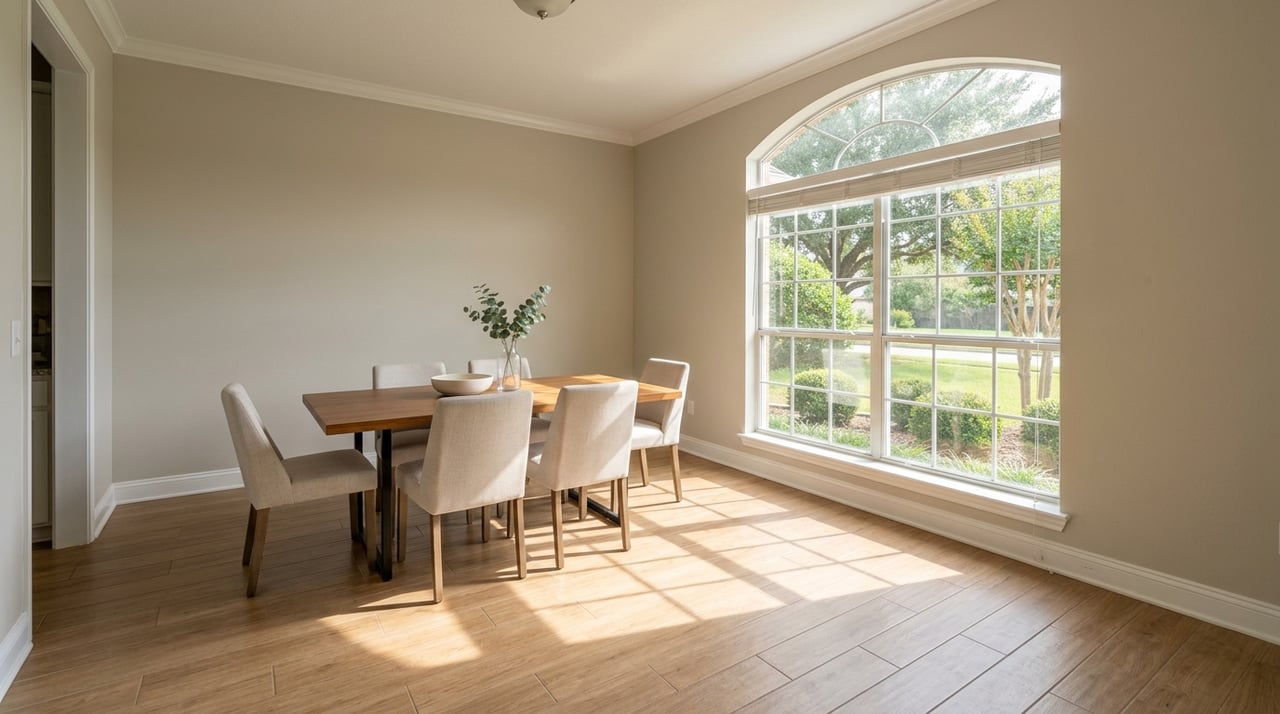
Selling your home can feel simple at first: clean up, put a sign in the yard, and wait for offers. In Midlothian’s current market, it usually takes more planning than that. With more listings competing for attention and buyers watching price and condition closely, a strong step-by-step approach can help you avoid costly missteps and launch with confidence. Let’s dive in.
Understand the Midlothian market
Before you list, it helps to know the market you are stepping into. According to the NTREIS February 2026 market data, Midlothian had 44 single-family sales, 228 active listings, 97 days on market, and 3.6 months of inventory. The median sale price was $449,000, with homes selling at 92.3% of list price on average.
That tells you something important: buyers are active, but they have options. Compared with the broader Dallas-Fort Worth metro area, Midlothian had a higher median sale price and longer average market time in that same report. In a market like this, pricing, preparation, and presentation matter from day one.
Midlothian is also a growing community. The city’s FY 2025–2026 budget criteria estimates the population at 43,516 as of January 1, 2025. Growth can support steady buyer interest, but it does not replace the need for a smart listing plan.
Start with a listing consultation
Your first step should be a listing consultation, not a rushed trip to the MLS. This is where you look at timing, condition, pricing strategy, paperwork, and what it will take to make your home stand out.
In Midlothian, that planning stage matters because buyers are comparing multiple homes at once. A thoughtful consultation helps you set priorities before you spend money or time on the wrong updates. It also gives you a realistic roadmap for what happens next.
A strong pre-listing conversation should cover:
- Your ideal timeline to list and close
- Your home’s likely market position based on recent local data
- Recommended repairs or touch-ups
- Decluttering and staging needs
- Photography and launch timing
- Required disclosure documents
This is also where a team-based approach can really help. With several moving parts to manage, coordinated support can make the process feel much more manageable from the start.
Build your pre-listing prep plan
Once you decide to sell, the next step is preparation. In a more selective market, buyers notice condition quickly. That does not mean you have to fully remodel your home, but it does mean you should address visible issues before launch.
A practical prep plan usually starts with repairs, then moves to cleaning, decluttering, staging, and media. That order gives your listing the best chance to hit the market looking polished and complete.
Focus on repairs buyers will notice
Not every project offers the same value. In many cases, the most important fixes are the simple ones buyers see right away during showings or in photos.
Give extra attention to:
- Minor wall damage or paint touch-ups
- Leaky faucets or running toilets
- Broken hardware or light fixtures
- Worn caulk and grout
- Flooring issues that make rooms feel dated or poorly maintained
- Exterior items that affect curb appeal
If your budget is limited, start there. The goal is to reduce distractions so buyers can focus on the home itself, not a list of small problems.
Declutter before you decorate
If full staging is not in the budget, decluttering is still worth doing. The National Association of Realtors 2025 staging report found that 51% of sellers’ agents did not stage every listing but instead recommended decluttering or correcting property faults.
That is encouraging if you want a practical, cost-conscious plan. Clearing countertops, removing excess furniture, organizing closets, and simplifying decor can make your home feel larger, cleaner, and easier for buyers to picture as their own.
Use staging where it counts most
When you do stage, focus on the rooms that have the biggest visual impact. The same NAR staging report found that buyers’ agents said staging made it easier for buyers to visualize a property as a future home in 83% of cases, and 49% of sellers’ agents said staging reduced time on market.
The most commonly staged rooms were:
- Living room
- Primary bedroom
- Dining room
- Kitchen
If you are deciding where to spend your effort, those spaces are a smart place to begin.
Get your paperwork ready early
Paperwork may not be the most exciting part of selling, but handling it early can save you stress later. Texas has specific disclosure requirements, and waiting until you are under contract can slow everything down.
For most previously occupied single-family homes, the Texas Seller’s Disclosure Notice is required. TREC notes that this form is used with contracts entered into on or after September 1, 2023.
If your home was built before 1978, you may also have federal lead-based paint obligations. According to the EPA’s lead-based paint disclosure rule, sellers must disclose known lead-based paint information, provide available records, include a lead warning statement, give buyers the federal pamphlet, and allow a 10-day opportunity for inspection or risk assessment unless both parties agree otherwise.
TREC also notes in its January 2025 contract form updates that sellers who provide an existing survey may be able to use a T-47.1 Declaration instead of a notarized T-47 Affidavit. That same update says sellers must provide any mold remediation certificate issued during the five years before the sale.
Plan your launch week carefully
The week your home goes live matters more than many sellers expect. With 228 active single-family listings in Midlothian during February 2026, your home needs to make a strong first impression while buyer interest is freshest.
That is why launch week should feel coordinated, not rushed. Pricing, photos, marketing assets, showings, and listing details should all be ready before your home hits the market.
Invest in professional media
Online presentation shapes how many buyers decide to schedule a showing. In the NAR 2025 staging report, buyers’ agents rated photos as important at 73%, videos at 48%, and virtual tours at 43%.
That supports a launch plan built around professional visuals from the start. Strong photography can highlight your home’s layout, light, and condition, while video and virtual tours can help buyers engage before they ever step through the door.
Price for the market you have
Pricing is one of the biggest decisions you will make. Midlothian’s median sold-to-list ratio of 92.3% suggests that buyers are negotiating and that overpricing can create drag.
A smart pricing strategy should reflect current competition, days on market, and the condition of your home. Listing too high can reduce early momentum, while pricing with the market can help attract stronger attention in the critical first days.
Make showings easy
Once your home is live, showing access matters. The easier it is for qualified buyers to view your home, the more opportunities you create during that first wave of interest.
Before launch, make a plan for:
- Showing hours
- Pet arrangements
- Daily cleaning expectations
- How much notice you need before appointments
- How you will step out quickly when showings are scheduled
A flexible showing plan can improve your chances of generating more traffic and stronger offers.
Review offers beyond price
When offers come in, the highest number is not always the best one. A strong offer should be evaluated as a full package, not just a headline price.
That means looking at factors like financing strength, earnest money, option terms, repair expectations, closing date, and your likely net proceeds. A slightly lower offer with stronger financing or cleaner terms may be the better path to a smoother closing.
Important offer details to compare include:
- Purchase price
- Type of financing or cash
- Earnest money amount
- Down payment strength
- Option or inspection period
- Contingencies
- Requested seller concessions
- Proposed closing date
- Estimated net proceeds
According to the NAR 2025 Profile of Home Buyers and Sellers, 26% of buyers paid all cash, and the median down payment was 19%. Those numbers show why buyer strength can vary widely and why careful offer review matters.
Stay organized from contract to close
Accepting an offer is a major milestone, but it is not the finish line. The contract-to-close period is really a coordination phase, and staying on top of details can help keep the deal moving.
At this stage, your focus shifts to signatures, inspections, possible repair requests, title work, and deadline tracking. If documents are already prepared and expectations are clear, you are less likely to hit avoidable delays.
A typical contract-to-close checklist includes:
- Confirm all signed documents are complete
- Deliver any required disclosures or supporting paperwork
- Track inspection and option deadlines
- Respond to repair requests promptly
- Coordinate with title and any other service providers
- Prepare for your move-out and final closing steps
This is where responsive communication becomes especially valuable. Good coordination can protect your timeline and reduce the risk of a contract falling apart over preventable issues.
Why a step-by-step plan matters
Selling in Midlothian today is not about rushing to market and hoping for the best. It is about launching with intention in a market where buyers have choices and details matter.
If you follow a clear plan, you can make better decisions at each stage, from repairs and paperwork to pricing and negotiations. That often leads to a smoother experience, fewer surprises, and a better chance of reaching your goals.
If you are getting ready to list and want a local, well-organized plan tailored to your timeline, connect with Angelique Burkett. You will have experienced guidance, professional marketing support, and a team-focused process designed to help you move forward with confidence.
FAQs
What should I do first when listing a home in Midlothian?
- Start with a listing consultation so you can review timing, pricing, repairs, staging needs, and required paperwork before going live.
Which repairs matter most before selling a Midlothian home?
- Focus first on visible issues like paint touch-ups, minor plumbing problems, broken fixtures, worn caulk, flooring concerns, and exterior items that affect curb appeal.
What disclosures are required to sell a house in Texas?
- For most previously occupied single-family homes, sellers need to provide the Texas Seller’s Disclosure Notice required by TREC.
What if my Texas home was built before 1978?
- If the home was built before 1978, federal law may require lead-based paint disclosures, available records, a lead warning statement, and a buyer opportunity for inspection or risk assessment.
How should I compare offers on my Midlothian home?
- Look at the full offer package, including price, financing strength, earnest money, contingencies, inspection terms, closing date, and estimated net proceeds, not just the highest number alone.