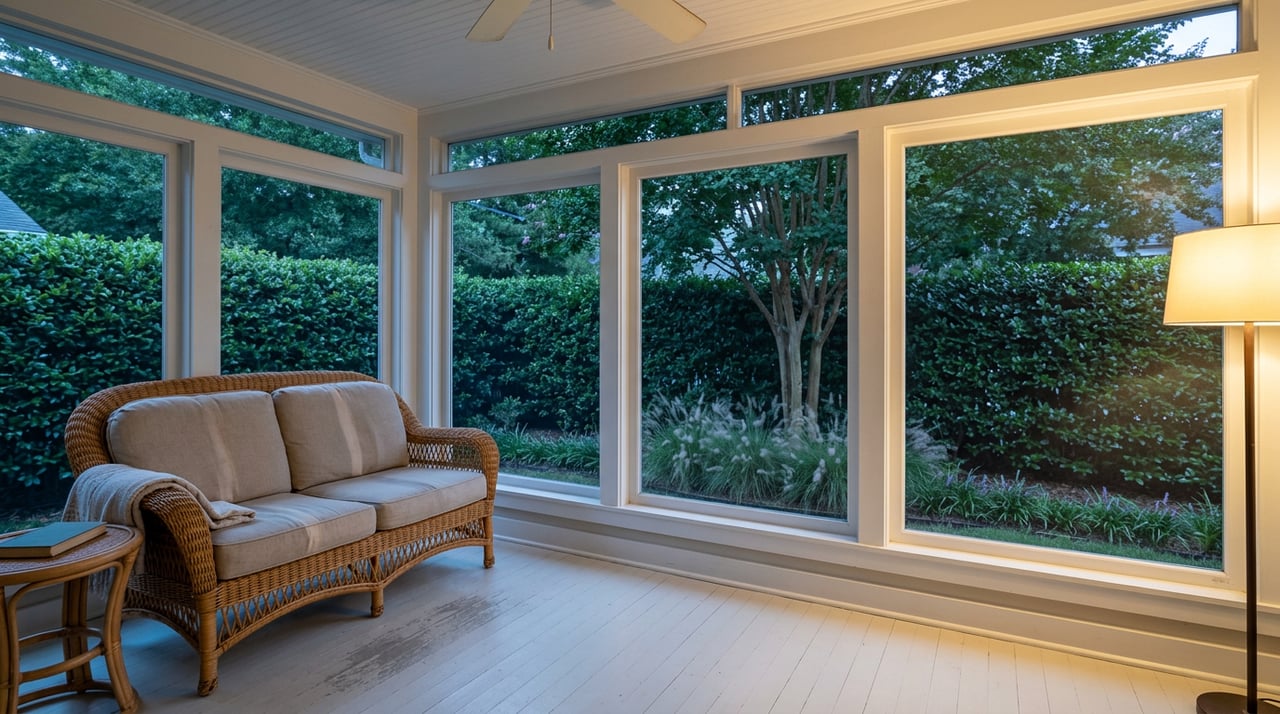
Is your backyard helping or hurting your sale? In Fort Worth’s suburban neighborhoods, the right outdoor space can tip a buyer from “maybe” to “write the offer.” You want features that look beautiful in photos, feel comfortable in our summer heat, and make sense under local water and permit rules. In this guide, you’ll learn which upgrades stand out in Tarrant County, how to prioritize your budget, and what to check before you build or list. Let’s dive in.
Why Fort Worth backyards win or lose
Fort Worth has long, hot summers and a growing season that rewards heat-tough plants. That climate makes shade, airflow, and low-maintenance design key. Summer is the limiting season for comfort, so covered outdoor rooms and fans matter more here than in cooler markets. You can review local climate normals for Fort Worth to see why heat drives design choices. Climate data for Fort Worth backs this up.
Water rules also shape good choices. Fort Worth enforces a year-round twice-a-week irrigation schedule and bans system watering between 10 a.m. and 6 p.m. Rain and freeze sensors are required on most systems installed after June 1, 2007. Homeowners benefit from water-wise planting and smart controllers that meet city expectations. You can see details on the city’s twice-a-week watering rules.
Features that sell in Fort Worth suburbs
Covered patios and shaded outdoor rooms
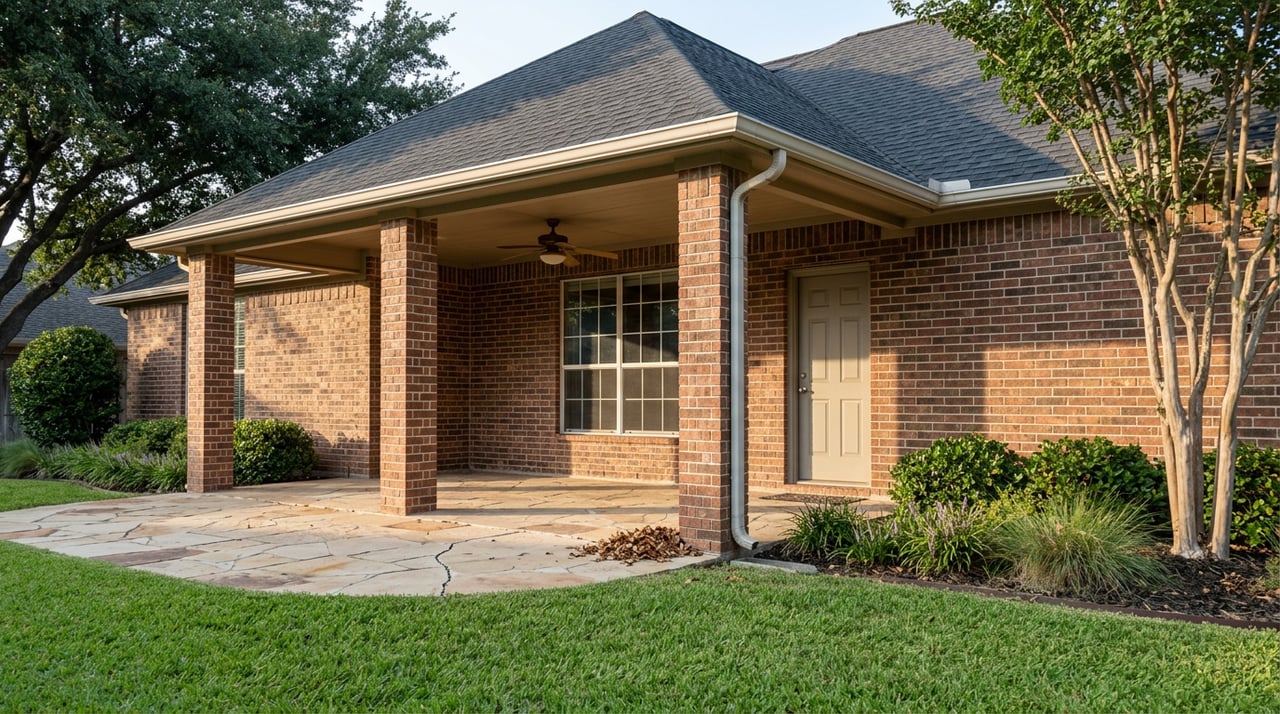
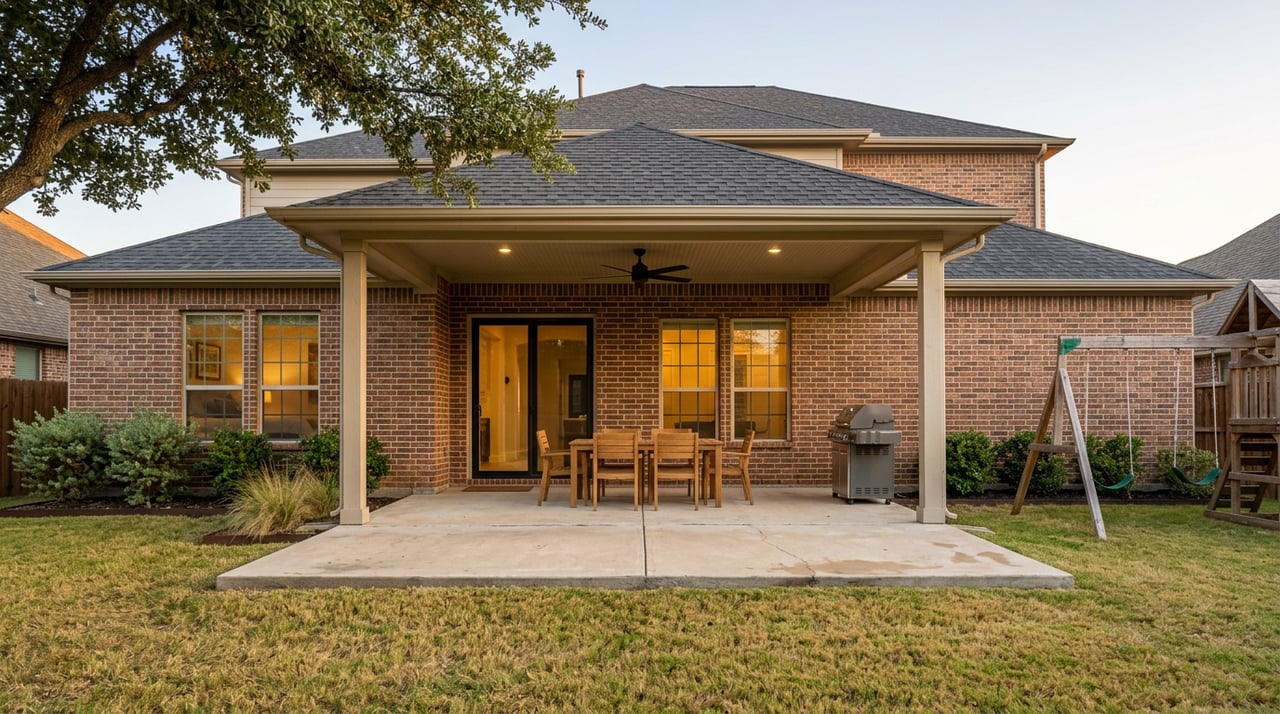
Buyers here treat the backyard like a second living room. National research shows patios and porches rank among the most desired features. In our heat, a covered patio with ceiling fans, durable hardscape flooring, and integrated lighting is a top performer. Listing photos that frame a clear outdoor dining or lounge zone tend to get stronger engagement, according to recent buyer preference research.
Tips for sellers:
- Add a fan and lighting to expand evening use.
- Choose durable, easy-clean surfaces underfoot.
- Create a natural flow to the indoor kitchen for entertaining.
Flat, usable lawn for play
Families with kids and pets want a simple, safe play space. In North Texas, the best turf depends on sun and activity level. Regional guidance highlights warm-season grasses such as Bermudagrass for high traffic and full sun, Zoysiagrass for mixed sun and shade, St. Augustine for shade-tolerant varieties, and Buffalograss for very low-maintenance areas. Match the grass to your lot’s conditions using the North Texas warm-season turf guide.
Tips for sellers:
- Keep the lawn flat, edged, and free of trip hazards.
- Use edging to separate planting beds from turf for easier upkeep.
- Convert marginal or hard-to-irrigate strips to groundcover or bed space.
Low-maintenance, water-wise beds
Simple, regionally adapted plantings look great and reduce upkeep for buyers. Xeriscape principles focus on soil prep, mulch, efficient irrigation, and grouping plants by water needs. This approach fits Fort Worth’s watering rules and delivers a tidy, marketable look. For practical steps and plant ideas, see Texas A&M AgriLife’s xeriscape guidance.
Tips for sellers:
- Choose native or adapted shrubs and perennials.
- Mulch beds to conserve moisture and clean up the look.
- Use drip irrigation in beds for efficiency and better plant health.
Entertaining zones that fit the lot
Defined spaces make the yard feel like an extension of your home. Built-in seating, a safe fire pit, or a compact grilling station can be smart adds when scaled to the neighborhood and lot size. Many buyers also value outdoor lighting that extends evening use. See what buyers often rank as desirable in NAR’s feature list and tailor to your price point.
Tips for sellers:
- Keep designs low-maintenance and right-sized for the home.
- Use materials that match your exterior style.
- Leave clear walking paths between zones.
Privacy and fencing essentials
Privacy and safety for children and pets are common wants in suburban Tarrant County. Fence repairs, gate tune-ups, and consistent staining go a long way in photos and showings. If you plan a new fence or a permanent structure near a property line, review city guidance and check neighborhood deed restrictions first. Fort Worth’s Development Services portal outlines what projects require permits and inspections. Start with the city’s permits page.
Pools and full outdoor kitchens
In many DFW suburbs, a well-designed pool with an outdoor kitchen can be a standout amenity. It can also be costly to build and maintain. Before taking on a large project, weigh demand in your specific neighborhood and compare recent sales. Some households love pools, while others prefer more lawn. Local designers report strong demand for pool and kitchen packages in the region, but sellers should confirm ROI for their block. For design context, review a regional builder’s DFW pool and outdoor kitchen overview.
Tips for sellers:
- Check comps before investing in a major build.
- Plan for drainage, safety, and fencing.
- Expect permits and inspections for pools and gas, electrical, or plumbing work.
Lighting and night staging
Low-voltage lighting and defined pathways improve both safety and presentation. Dusk photos that show a glowing patio, lit steps, and warm seating invite buyers to imagine evenings outside. Many buyers list outdoor features like lighting and patios as desirable, so stage and photograph them well using insights from NAR’s feature research.
A simple plan to maximize ROI
Step 1: Fix basics first
Address drainage, dead patches, wobbly gates, and overgrown shrubs. Mow and edge, refresh mulch, and remove clutter. These fixes deliver strong visual impact for minimal cost.
Step 2: Add shade and function
A covered patio or shade structure with a ceiling fan and lighting is one of the best investments in our climate. Buyers across the country prioritize patios and porches, and Fort Worth heat makes shade a top differentiator. For context on buyer demand, see recent buyer research on outdoor living.
Step 3: Landscape for durability
Convert thirsty or awkward turf areas into low-water beds with drip irrigation and mulch. Add one or two well-placed, regionally appropriate shade trees to improve comfort over time. Follow the North Texas turf guide to match grass to sun exposure and use.
Step 4: Defer high-cost projects until comps support them
Custom pools and full outdoor kitchens can be powerful, but they fit best when neighborhood buyers expect them. Confirm demand with local comps and factor in maintenance, insurance, and safety needs before building. If you do move forward, plan for permits and inspections.
Permits, HOAs, and water rules
What needs a permit in Fort Worth
Fort Worth’s Development Services portal helps you scope permits, costs, and inspections for pools, decks, patio covers, and trade work like electrical, gas, or plumbing. The city follows current building and pool codes, and many applications can be started online. Always verify requirements on the Fort Worth permits page or consult a licensed contractor.
HOA approvals and Texas law
If you live in an HOA, check your Covenants, Conditions, and Restrictions before changing landscaping or adding structures. Texas Property Code §202.007 prevents associations from banning drought-resistant landscaping or water-conserving natural turf, though they can set reasonable aesthetic standards. You can read the statute in the Texas Property Code.
Irrigation compliance made easy
Because Fort Worth limits irrigation to two days a week and requires rain or freeze sensors on many systems, smart controllers and drip irrigation help you stay compliant. Regional programs such as NTMWD’s resources, including WaterMyYard, offer helpful watering guidance. Explore tools on NTMWD’s water-efficient landscaping page and review the city’s irrigation rules.
Timing your upgrades in North Texas
- Quick wins (days to 2 weeks): mow and edge, refresh mulch, repair gates and latches, pressure-wash hardscape, add potted plants, and install simple landscape lighting.
- Medium projects (2 to 12 weeks): add a patio cover or awning, build a compact fire pit or grill station, and plant small trees or shrubs during appropriate planting windows.
- Long projects (months to seasonal): establish new warm-season turf or complete major landscape renovations. For best results, time new Bermuda, Zoysia, or Buffalograss installations to prime growing seasons per the North Texas turf guide.
Listing day backyard staging checklist
- Stage the covered patio with a dining set or lounge seating and turn on fans and lights.
- Capture both daytime and dusk photos to show comfort and ambiance.
- Keep lawn edges crisp, beds weeded and mulched, and toys or equipment tidy.
- Light pathways and highlight key features like a grill station or fire pit.
- Add a short note in listing remarks about irrigation and watering, such as “smart controller with rain sensor; twice-a-week schedule,” to reassure buyers.
How we help sellers
Your backyard should tell a story buyers love. Our team pairs local market insight with professional marketing to make that story clear. We advise on cost-smart upgrades that suit Fort Worth–Arlington neighborhoods, connect you with trusted pros when needed, and stage and photograph your outdoor spaces so they shine online. With team-based coverage and proven listing systems, we help you sell faster and for the best price.
If you’re planning to list soon, let’s start with a quick plan for your yard and a data-backed pricing strategy. Connect with Angelique Burkett to schedule a consult and Get Your Free Home Valuation.
FAQs
What backyard upgrades add the most value in Fort Worth suburbs?
- Covered patios with fans, a clean flat lawn, water-wise beds, and good lighting typically offer strong appeal for the cost, based on national buyer preferences and local climate needs.
What grass should I use for my Fort Worth yard?
- Choose warm-season turf that fits your sun and traffic: Bermudagrass for full sun and durability, Zoysiagrass for mixed light, St. Augustine for shade-tolerant varieties, and Buffalograss for very low maintenance using the North Texas turf guide.
Do I need a permit for a patio cover or pool in Fort Worth?
- Many projects such as patio covers, pools, and any electrical, gas, or plumbing work require permits and inspections; verify requirements on the city’s permits page before starting.
Can my HOA stop me from installing drought-resistant landscaping?
- Texas Property Code §202.007 limits HOAs from banning drought-resistant landscaping and water-conserving natural turf, though they can set reasonable standards; review the Texas Property Code and your HOA’s rules.
How do I follow Fort Worth’s twice-a-week watering rules when selling?
- Use a smart controller with a rain or freeze sensor, favor drip in beds, and follow the city’s irrigation schedule; NTMWD’s landscaping resources can help you fine-tune runtimes.