If you love the idea of being close to major sports, dining, and big-city energy, Arlington’s Entertainment District can look like a dream location. It can also come with a very different day-to-day rhythm than other parts of Arlington, especially when large events bring in heavy traffic and parking rules shift by area. If you are thinking about buying near this part of town, it helps to know what daily life really looks like before you make a move. Let’s dive in.
Arlington Entertainment District Basics
Arlington’s Entertainment District is more than a cluster of venues. The city treats it as an overlay of roughly 2,700 acres in central Arlington, and it includes residential areas and nearby neighborhood streets along with entertainment uses.
That matters because living near the district does not mean you are choosing one neat, uniform type of community. You are looking at a location with a mix of housing, event activity, city infrastructure, and neighborhood blocks that can feel very different from one street to the next.
Housing Near the Entertainment District
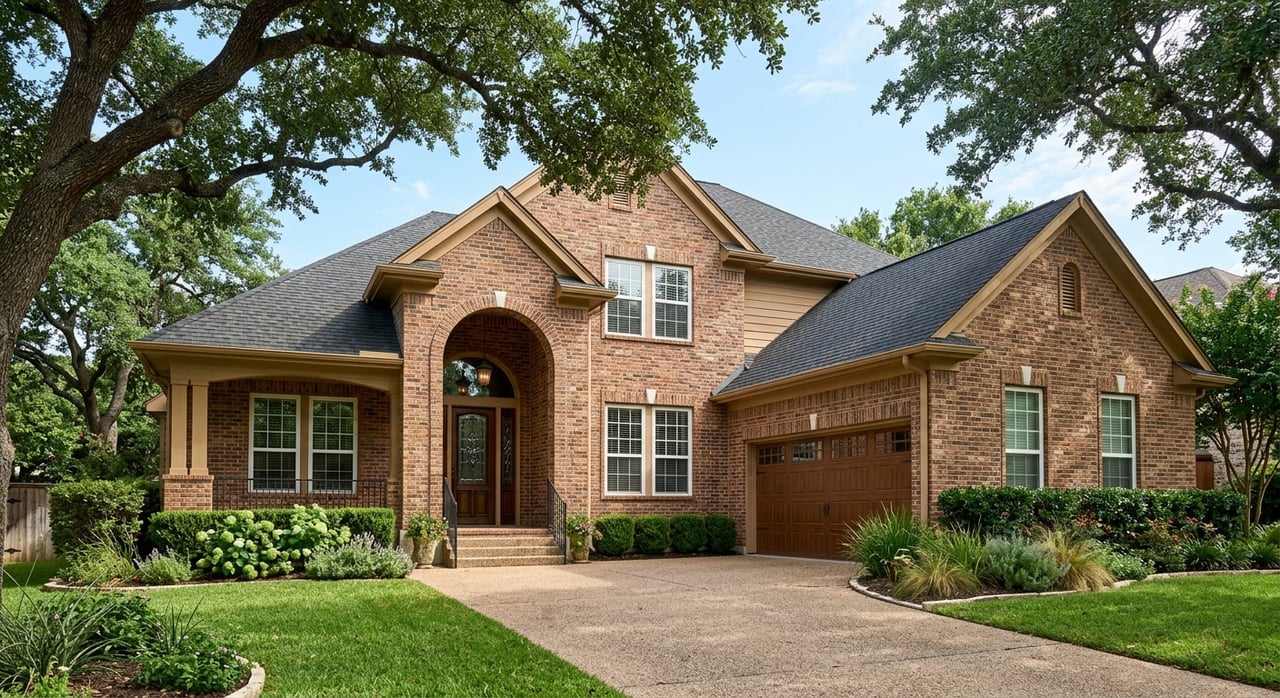
If you expect one dominant home style, you may be surprised. Arlington’s housing needs assessment shows that nearly two-thirds of homes citywide were built before 1980, and North Arlington has historically had the city’s highest concentration of multifamily housing.
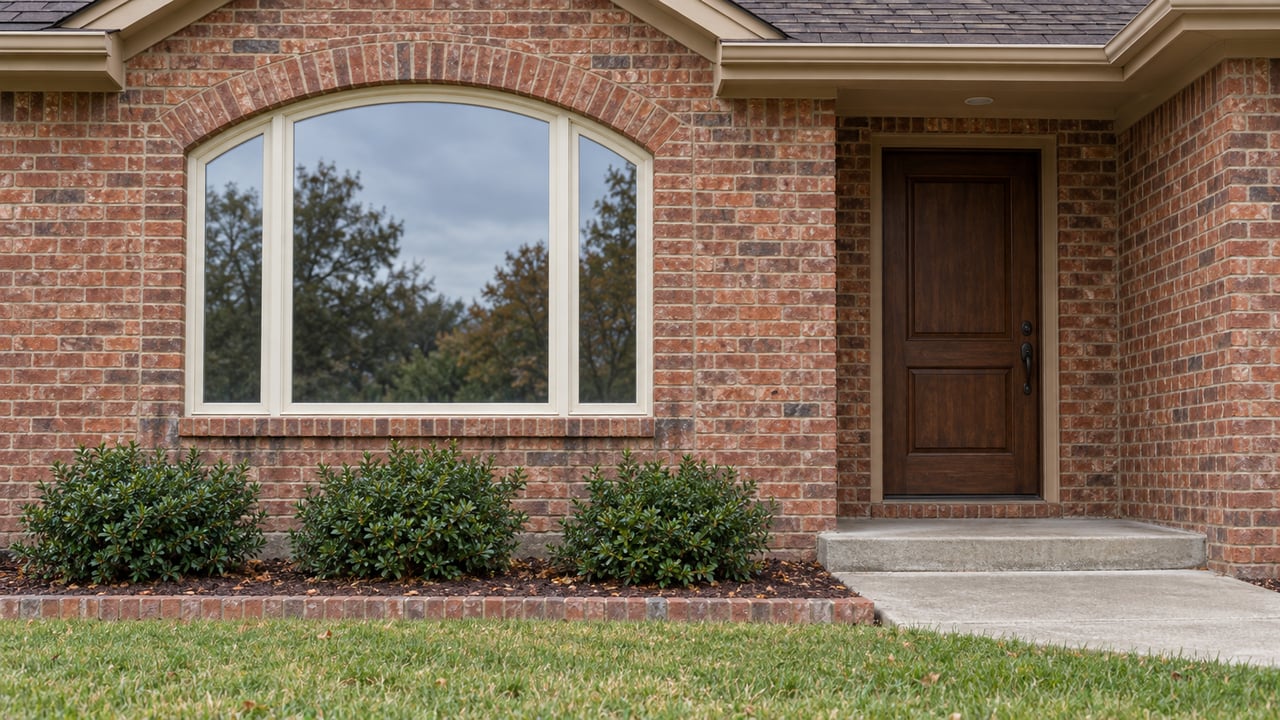
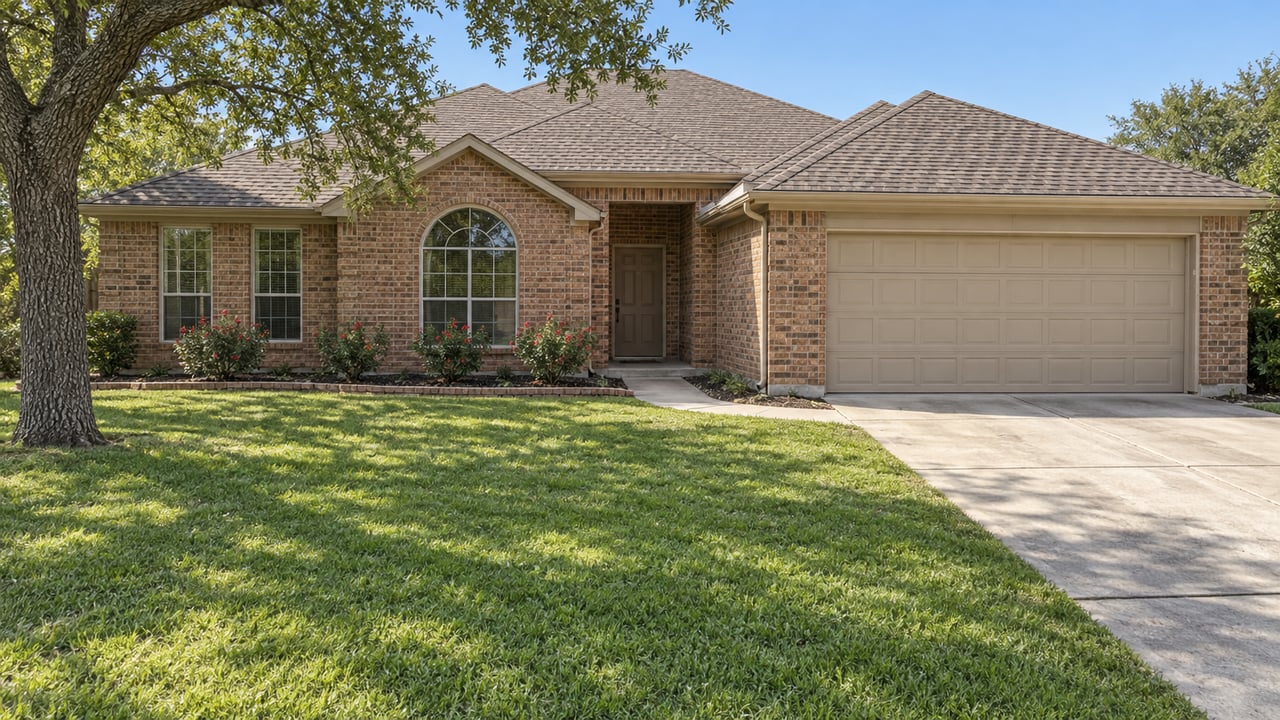
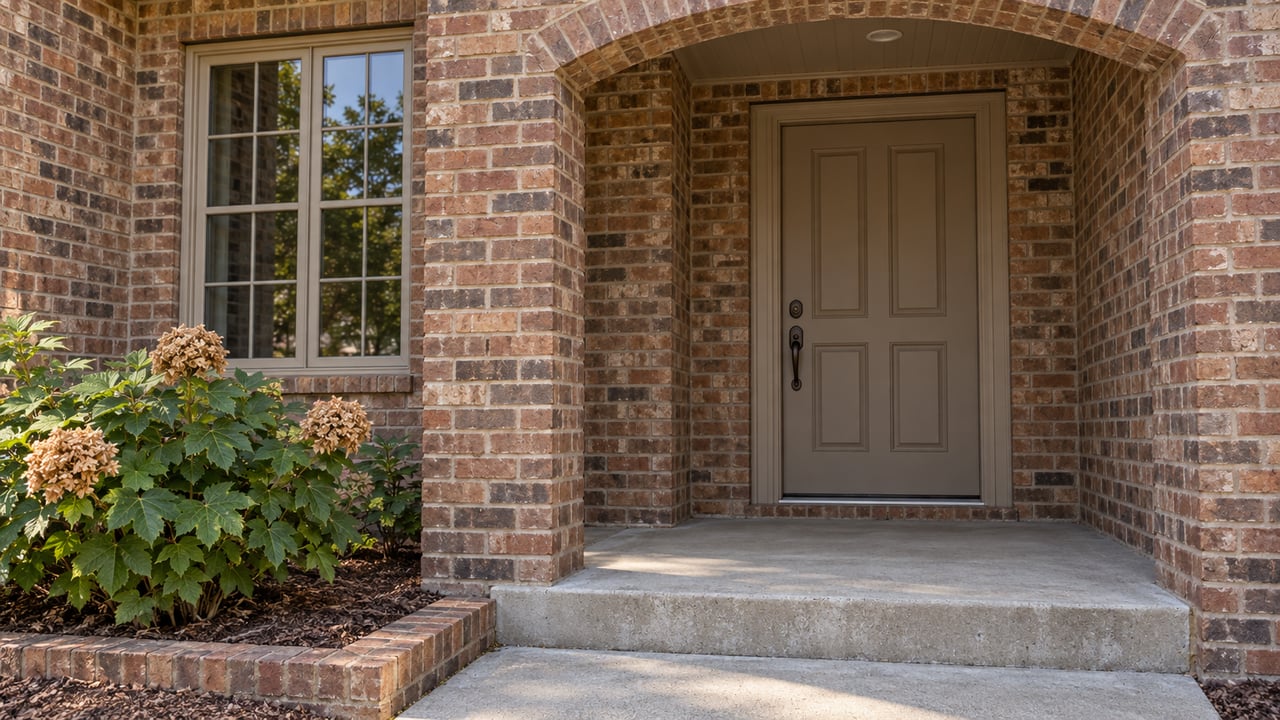
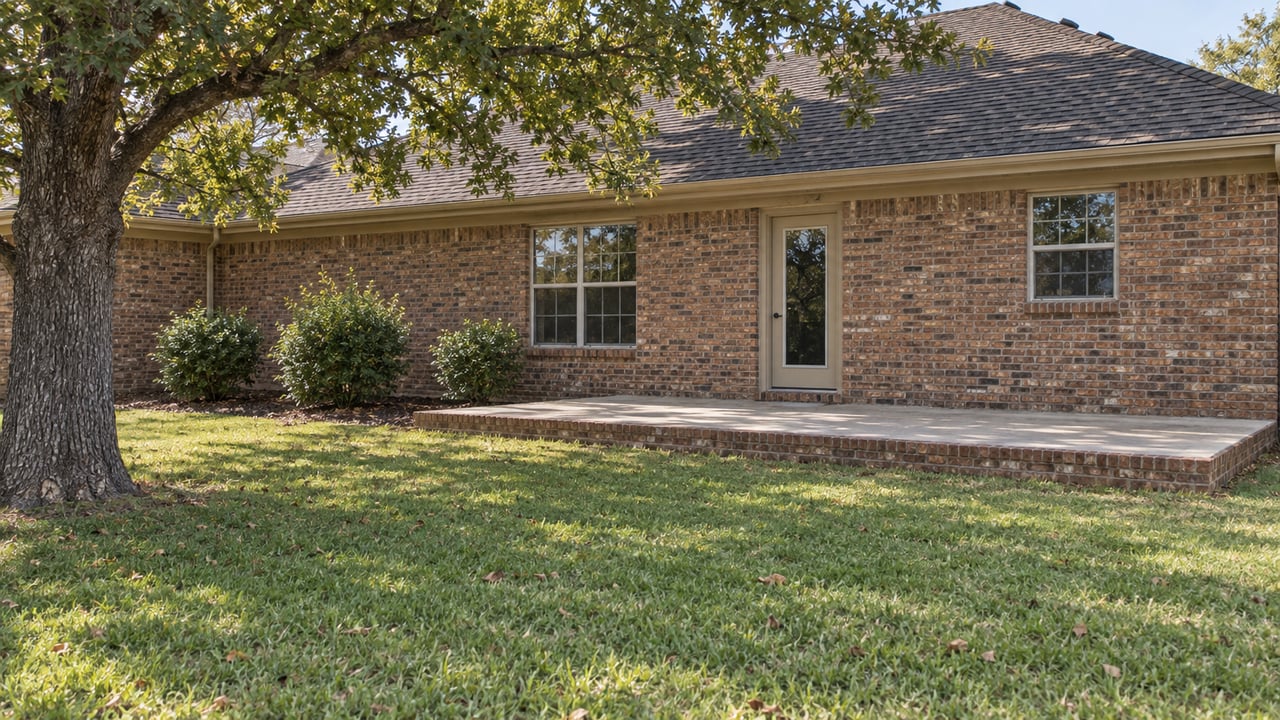
City zoning also points to a broad range of housing types in and around this area. Depending on the specific block, you may see detached single-family homes, duplexes, townhomes, apartment buildings, and mixed-use residential spaces above ground-floor nonresidential uses.
In practical terms, that means the housing fabric is mixed rather than uniform. Some buyers may find older detached homes with established surroundings, while others may be drawn to newer multifamily options or attached housing closer to the district core.
One notable sign of the area’s evolution is One Rangers Way, which opened as the district’s first residential component. That gives you a clue about where the area is headed, with more live-near-the-action appeal than many buyers traditionally associate with Arlington.
Event Days Change the Routine
This is one of the biggest things to understand before you buy here. On an ordinary weekday, your drive, parking, and neighborhood feel may be fairly manageable. On event days, the entire area can operate very differently.
AT&T Stadium can hold up to 100,000 fans, according to the city. That scale has a real effect on nearby streets, traffic flow, and parking conditions when major games, concerts, and other high-profile events are taking place.
For nearby residents, that can mean more planning is part of everyday life. If you live close to the core, you may want to keep event calendars in mind before running errands, inviting guests, or planning your usual route home.
Parking rules can be address-specific
Arlington has created temporary no-parking zones in three residential areas around AT&T Stadium to help protect nearby neighborhoods from event-related congestion and on-street parking. Residents receive email notices, and vehicles parked where posted signs are visible can be ticketed or towed.
These restrictions do not apply all the time. They are used during selected stadium events, including Cowboys home games, concerts, and other high-profile events.
Because these rules are map-based, one of the most important takeaways is that conditions can vary by block. Two homes that seem close together on a map may have different parking considerations depending on their exact location.
Traffic management is more active than many buyers expect
The city is using several tools to help manage event traffic around the district. Public Works has deployed technology that pushes real-time lane closure and detour information into navigation apps, and the city says recent improvements include expanded sidewalks, overhead traffic message boards, and a new Traffic Management Center.
Arlington also opened a police storefront at Choctaw Stadium near E. Randol Mill Road and Ballpark Way to support officers working stadium events. For buyers, that signals a district with active city coordination, not just occasional congestion left to work itself out.
For major regional events, road closures may become even more noticeable. The city has already said World Cup match days will close AT&T Way, Cowboys Way, and portions of Nolan Ryan Expressway, and residents are being advised to plan ahead and use alternate routes.
Short-Term Rental Rules Matter Too
Another factor that can shape the feel of the area is Arlington’s short-term rental zone. The city says this zone is anchored by the Entertainment District and extends about one mile from its center.
Short-term rentals in that zone require permits and inspections. For buyers, this is important because it can influence the mix of owner-occupied homes, long-term residents, and short-term guest activity near the district.
Like the parking zones, this is another detail that is best reviewed by exact address rather than broad neighborhood label. If you want a quieter day-to-day setting, small location differences can matter.
Parks and Outdoor Access Help Balance the Energy
One of the biggest upsides to living near Arlington’s Entertainment District is that you are not only getting venues and event access. You are also close to some of Arlington’s most substantial park spaces and trails.
Randol Mill Park is a 149.4-acre community park with baseball and softball fields, basketball and tennis courts, concrete and nature trails, fishing ponds, playgrounds, and a family aquatic center. That gives nearby residents a strong everyday option for exercise, recreation, and outdoor downtime.
River Legacy Park East adds a half-mile hike-and-bike trail, picnic space, playgrounds, sand volleyball courts, and adjacency to the Elzie Odom Athletic Center. River Legacy Park itself is a 1,100-acre property and Arlington’s largest park.
For many buyers, these parks are a meaningful lifestyle offset. You may be near one of the busiest activity zones in Arlington, but you can also have access to large open spaces that make daily life feel more balanced.
Dining Is a Mix of Big-Event and Everyday
The dining scene around the district is also more varied than some buyers expect. In the core, you will find dining tied to hotels, venues, and visitor activity.
For example, Loews Arlington Hotel announced five dining concepts, the city has highlighted Soy Cowboy in the heart of the Entertainment District, and a full-service Starbucks opened at Choctaw Stadium. That supports the district’s more active, entertainment-driven side.
Just outside the core, the pattern shifts toward neighborhood-serving options as well. Marquez Bakery, located near the district, is a long-running local staple serving breakfast, lunch, and baked goods.
That blend is a good snapshot of the area overall. You are getting a location where large-scale entertainment amenities and more everyday local stops can exist close together.
Commuting From the Entertainment District Area
For many buyers, especially relocations, commute questions are just as important as lifestyle questions. Arlington’s transportation page says the city sits between Dallas and Fort Worth and has access to seven major interstate highways, three nearby airports, a connection to regional rail, and Arlington On-Demand service.
Arlington On-Demand operates citywide and connects riders to TRE CentrePort Station. That gives residents another mobility option and can make regional travel more practical than people sometimes assume.
Still, if you live near the Entertainment District, your commute is likely to feel easiest when you plan around event calendars. The city recommends learning game days and alternate routes, and its traffic system is designed to push closures and detours into common navigation apps.
For some buyers, that tradeoff is worth it for the convenience and energy of the location. For others, a home a little farther from the district core may offer a more predictable daily routine.
What Buyers Should Expect Day to Day
Living near Arlington’s Entertainment District usually means choosing an event-sensitive lifestyle. You may enjoy quick access to sports, concerts, dining, parks, and regional connections, but you should also expect periodic traffic surges, temporary parking controls, and route changes tied to major events.
This does not automatically make the area a better or worse fit than other parts of Arlington. It simply means your experience will depend heavily on your priorities, your schedule, and your exact location.
If you want to be close to the action, the district can offer a more urban feel than many buyers expect in Arlington. If you prefer a quieter daily rhythm, it may make sense to look at blocks farther from the center while still staying within easy reach of the amenities.
For buyers who are relocating or narrowing down Arlington options, the smartest approach is to compare homes not only by price and layout, but also by event-day access, parking conditions, nearby routes, and proximity to parks and daily services.
If you want help sorting through Arlington neighborhoods and finding the right fit for your routine, goals, and budget, reach out to Angelique Burkett for local guidance you can trust.
FAQs
What is Arlington’s Entertainment District?
- Arlington’s Entertainment District is a roughly 2,700-acre overlay in central Arlington that includes major entertainment uses as well as residential areas and nearby neighborhood streets.
What types of homes are near Arlington’s Entertainment District?
- Housing near the district can include detached single-family homes, duplexes, townhomes, apartment buildings, and mixed-use residential spaces, so the area is more mixed than a typical uniform subdivision.
How does event traffic affect daily life near Arlington’s Entertainment District?
- Event days can bring heavier traffic, detours, road closures, and parking restrictions, especially near AT&T Stadium and the district core.
Are there parking restrictions near AT&T Stadium in Arlington?
- Yes. Arlington uses temporary no-parking zones in selected residential areas around AT&T Stadium during certain major events, and vehicles parked in posted restricted areas can be ticketed or towed.
Are short-term rentals allowed near Arlington’s Entertainment District?
- Arlington has a short-term rental zone anchored by the Entertainment District that extends about one mile from its center, and short-term rentals in that zone require permits and inspections.
What parks are near Arlington’s Entertainment District?
- Nearby park options include Randol Mill Park, River Legacy Park East, and River Legacy Park, which offer trails, playgrounds, sports courts, picnic areas, and other outdoor amenities.
Is commuting from Arlington’s Entertainment District practical?
- Yes, commuting can be practical because Arlington has access to major highways, nearby airports, regional rail connections, and Arlington On-Demand service, but event schedules can affect travel times and routes.