If you have ever wondered why two homes with similar square footage can sell for very different prices in Fort Worth suburbs, you are asking the right question. Buyers and sellers often assume value comes down to the house alone, but the market usually sees a much bigger picture. When you understand what really drives home values in Tarrant County, you can make smarter pricing, offer, and upgrade decisions. Let’s dive in.
Market Value Comes First
In Fort Worth suburbs, market value is the starting point for understanding what a home is worth. In Texas, appraisal districts must appraise taxable property at market value as of January 1, and they look at factors like size, use, construction type, age, and location.
For single-family homes, the Texas Comptroller says the sales comparison approach is typically preferred. Tarrant Appraisal District also evaluates details such as size, style, quality, condition, year built, and effective year of construction. That means value is tied to how your home compares with similar properties in the market, not just what you hope it is worth.
Tax Value and Market Value Are Different
One of the biggest points of confusion for homeowners is the difference between tax value and market value. They are related, but they are not always the same.
Texas does not have a state property tax, and local taxing units set tax rates. For homesteads, appraised value increases are limited to 10 percent per year, which means a tax appraisal can move differently than live market value after a fast market shift or major improvement. If prices rise quickly in your area, your tax record may lag behind what buyers are actually willing to pay.
Location Creates the Biggest Price Gaps
In the Fort Worth-Arlington area, location is often the strongest value driver. Across metro housing markets, proximity to jobs and commuting costs help explain why prices vary from one part of a city to another.
That pattern shows up clearly in Tarrant County. Realtor.com reported a county median home price of $355,000 in February 2026, while city-level medians in the same snapshot put Fort Worth around $347,700 and Mansfield around $527,000. That is a major spread, and it shows how much the surrounding submarket can influence what buyers will pay.
Why Boundaries Matter
School district boundaries can also affect suburban pricing patterns. Research cited in the report found that home prices vary along school boundaries and can respond to changes in school assignments.
That does not mean every house on one side of a line is automatically worth more than one on the other side. It does mean buyers often weigh district boundaries, commuting patterns, and daily convenience when comparing homes that may look similar on paper.
Population Growth Supports Demand
The Dallas-Fort Worth-Arlington metro added nearly 178,000 residents from 2023 to 2024, according to the U.S. Census Bureau. Strong population growth can support housing demand across the region, including many Fort Worth suburbs.
For buyers and sellers, this matters because demand does not happen in isolation. Even when one neighborhood slows down, larger metro growth can keep pressure on housing choices, pricing, and competition.
Condition Often Matters More Than Age
A home’s age matters, but condition and updates usually matter more. Tarrant Appraisal District looks at quality, condition, and effective year of construction, which helps explain why an older home can still compete well if it has been carefully maintained and updated.
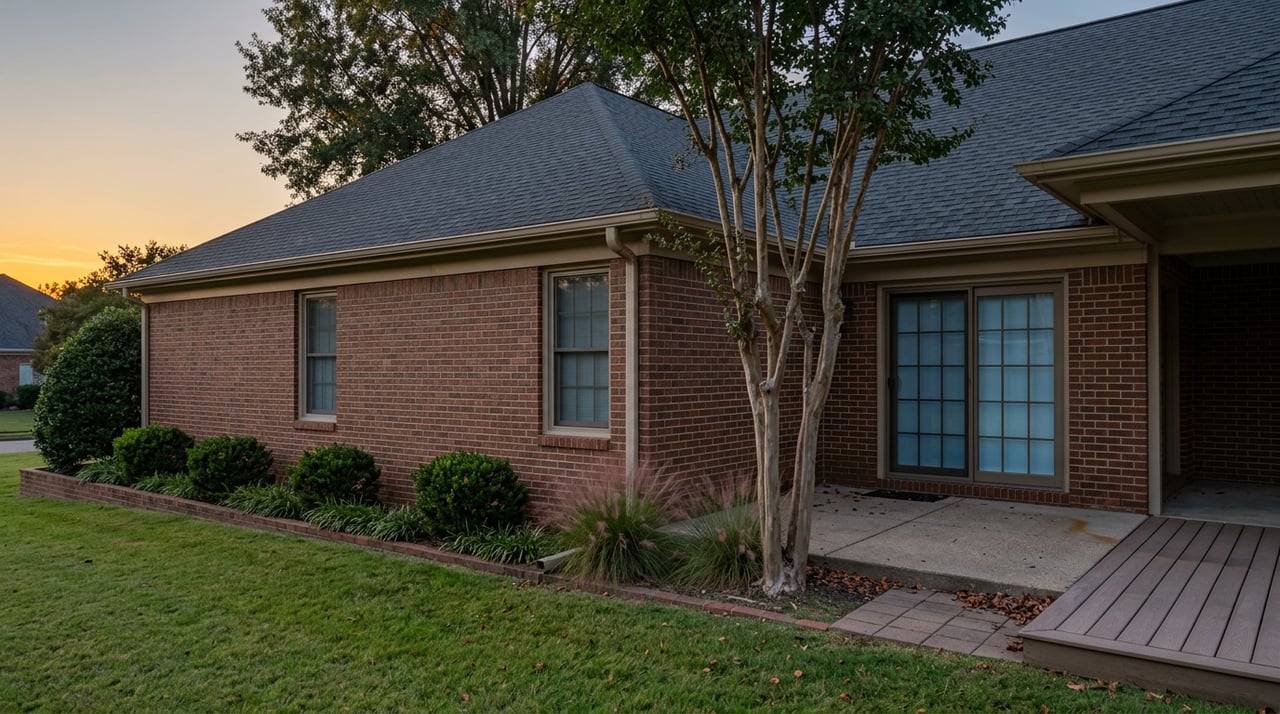
This is good news if you own an older property in Arlington, Mansfield, Benbrook, or Fort Worth. Buyers are often less focused on the year on the tax record and more focused on whether the roofline, systems, layout, and finishes feel functional and well cared for.
Updates That Tend to Carry More Weight
The Texas Comptroller draws a clear line between routine maintenance and new improvements. Regular repairs and upkeep do not count as new improvements, but additions or substantial upgrades that increase market value can make a real difference.
In practical terms, functional updates often matter more than surface-level touch-ups. Fresh paint can help presentation, but improvements that change how a home lives or performs may have a bigger impact on value.
Here are examples of features that may influence buyer perception more strongly:
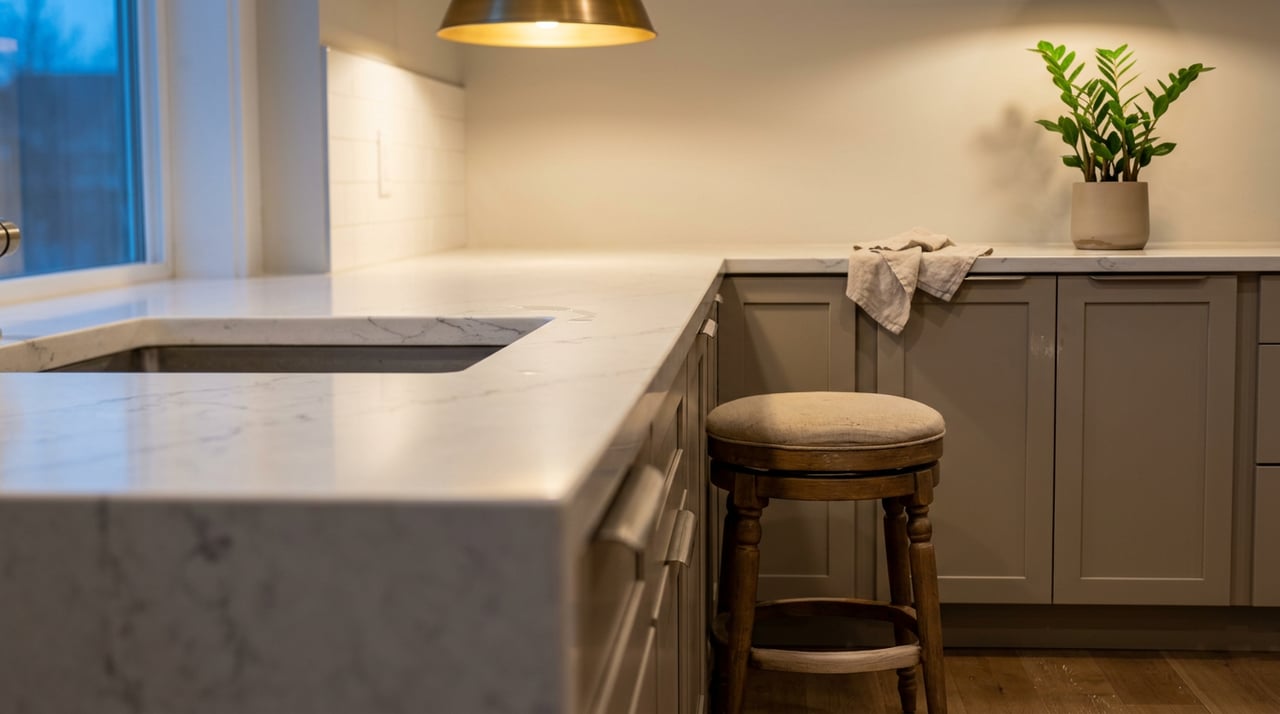
- Major kitchen or bath improvements
- Additions that increase usable living space
- Significant system upgrades
- Clear evidence of ongoing maintenance
- Reduced deferred maintenance issues
Lot Characteristics Can Add Hidden Value
Two similar homes can sell at different prices because the land underneath them is not truly the same. Tarrant Appraisal District values residential land using methods such as square foot, acreage, frontage, or flat value, and it considers things like site ratings, land-to-building ratios, prior land values, and comparable sales.
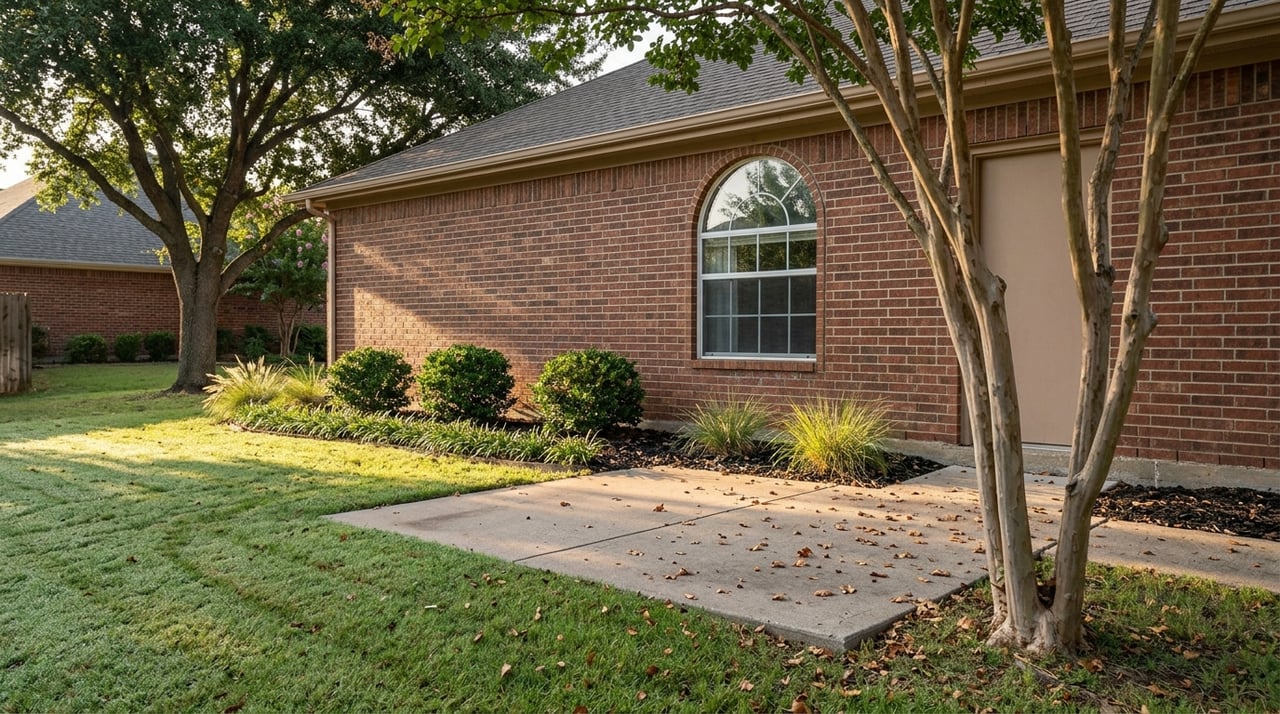
That framework helps explain why lot differences can create quiet but meaningful premiums. A home with a more usable yard, better frontage, or more practical site layout may stand out even when the home itself looks similar to a nearby sale.
Drainage and Flood Factors Matter
In Fort Worth, drainage and flood conditions can also affect value and marketability. The city says most reported flooding occurs outside the FEMA floodplain in non-FEMA flood risk areas, and its stormwater program uses flood-risk reviews and floodplain permits to manage those concerns.
This is important because flood risk is not always obvious from a quick online search. A lot with better elevation, drainage, or distance from known stormwater trouble spots may appeal more to buyers than a lower-lying comparable property.
If you are buying or selling, it helps to look beyond the structure and evaluate the site itself. Lot utility is part of value.
Supply and Demand Shape Pricing Power
Even the best home in a strong location is still affected by current market conditions. In February 2026, Realtor.com identified Tarrant County as a buyer’s market, with a median home price of $355,000, a 99 percent sale-to-list ratio, and a median of 50 days on market.
City-level data adds more context. Redfin reported that Fort Worth homes sold in a median of 55 days in March 2026, with a median sale price of $337,500, a 98.0 percent sale-to-list ratio, 16.7 percent of homes selling above list, and 29.7 percent seeing price drops.
What Those Numbers Mean for You
When inventory rises and homes sit longer, buyers often gain leverage. When inventory tightens and more homes sell at or above list price, sellers usually gain pricing power.
Across the Dallas-Fort Worth-Arlington area, Realtor.com and FRED data showed 26,487 active listings in April 2026, along with 12,134 new listings, a median listing price of $430,000, and a median of 46 days on market. Active listings were essentially flat year over year, which suggests the region was no longer in a severe supply crunch, even though neighborhood-level conditions still varied.
For real-world pricing decisions, these are some of the most useful numbers to watch:
- Active listings
- New listings
- Days on market
- Sale-to-list ratio
- Price reductions
- Whether your area is leaning buyer-friendly or seller-friendly
Why Similar Homes Sell for Different Prices
If you remember one thing from this article, make it this: the market prices more than square footage. It also prices location, lot utility, condition, updates, and timing.
That is why one home may sell quickly while another with a similar layout sits longer or needs a price cut. Small differences in commute patterns, drainage, lot usability, remodeling quality, or neighborhood-level competition can add up fast.
For sellers, that means pricing should be based on current local competition, not just a nearby sale from months ago. For buyers, it means a smart offer should reflect not only the home itself, but also the broader market conditions around it.
How to Use This Information Wisely
Whether you are planning to buy, sell, or simply track your home’s position in the market, it helps to focus on the factors buyers are actually weighing today. A realistic value strategy is built on current comparable sales, active competition, property condition, and the details of your specific lot and location.
That local, property-level view matters a lot in Fort Worth suburbs because pricing can shift from one pocket to the next. If you want clear guidance on what buyers are likely to pay or how to position your home to stand out, working with a team that knows southern and central Tarrant County can make the process much easier.
If you are thinking about buying or selling in Fort Worth, Arlington, Mansfield, Benbrook, or nearby suburbs, Angelique Burkett can help you make sense of local pricing and build a smart plan for your next move.
FAQs
What drives home values in Fort Worth suburbs most?
- The biggest factors are market value, location, condition, lot characteristics, and current supply and demand in the local market.
Does Tarrant County appraisal value match market value?
- Not always. Tax appraisals follow appraisal-district rules and may differ from current market value, especially when homestead caps or rapid market changes are involved.
Why do two similar homes in Fort Worth sell for different prices?
- Similar homes can sell for different amounts because buyers also price location, lot utility, drainage, condition, updates, and timing within the market.
Do older homes in Tarrant County always have lower value?
- No. Tarrant Appraisal District considers condition, quality, and effective year of construction, so a well-maintained and updated older home can compete well.
What market data matters when pricing a home in Fort Worth suburbs?
- The most useful data points include active listings, days on market, sale-to-list ratio, price reductions, and whether the local market is favoring buyers or sellers.
Can flood and drainage issues affect home value in Fort Worth?
- Yes. City stormwater guidance shows that flooding concerns can exist both inside and outside FEMA floodplain areas, so drainage and site conditions can affect marketability and value.